












Clean Air in Schools
Students and educators deserve classrooms where the air supports learning, comfort, and attendance. Better ventilation, effective filtration, and practical monitoring can make cleaner school air achievable.
Why clean air belongs in every school
School indoor air quality is shaped by outdoor air, building systems, occupancy, cleaning products, moisture, and other sources. A practical indoor air quality program helps schools identify problems, make steady improvements, and communicate clearly with families and staff.
The goal is not a single device or a one-time fix. It is a layered approach that combines source control, ventilation, filtration, maintenance, and planning for changing outdoor conditions.
Four practical ways to improve school air
Ventilation
Bring in and distribute outdoor air when conditions allow. Confirm that vents are open, systems operate as designed, and occupied rooms receive appropriate airflow.
Filtration
Use the highest efficiency filters the HVAC system can safely support. Proper fit, regular replacement, and system compatibility matter.
Portable air cleaning
Portable HEPA units and well-built Corsi-Rosenthal boxes can supplement central systems when they are correctly sized, placed, and maintained.
Monitoring
Carbon dioxide can help identify ventilation patterns in occupied spaces. It is a ventilation indicator, not a complete measure of indoor air quality.
A practical school air checklist
Schools can begin with clear ownership, basic documentation, and improvements that fit the building. Larger changes should involve facilities staff and qualified HVAC or indoor air quality professionals.
- Name an indoor air quality lead. Give one person or team responsibility for questions, documentation, and follow-through.
- Map occupied spaces and equipment. Record room size, typical occupancy, HVAC type, filters, portable units, and known concerns.
- Inspect and maintain systems. Keep outdoor air intakes clear, replace filters on schedule, and address blocked vents, leaks, and moisture.
- Match air cleaners to rooms. Use clean air delivery rate and room volume to select equipment, then place units so airflow is not obstructed.
- Prepare for outdoor air events. Create plans for wildfire smoke, high pollution days, extreme heat, and other times when opening windows may not be appropriate.
- Share the plan. Tell families and staff what is being measured, what has been improved, who maintains equipment, and how concerns can be reported.
A note on targets: Ventilation and clean-air goals depend on the room, occupancy, activity, and system. NIOSH describes five or more air changes per hour as a useful general target for reducing airborne particles in workplaces, while noting that it is a guide rather than a guarantee. School-specific decisions should consider current EPA guidance and professional review.
Explore PHAN clean-air resources
The Corsi-Rosenthal Box
An accessible introduction to a lower-cost, do-it-yourself air cleaner built with a box fan and filters.
HVAC Explained
A plain-language overview of heating, ventilation, air conditioning, filters, and routine maintenance.
Clean Air Is Non-Negotiable
A call for practical, measurable clean-air solutions in the indoor spaces communities share.
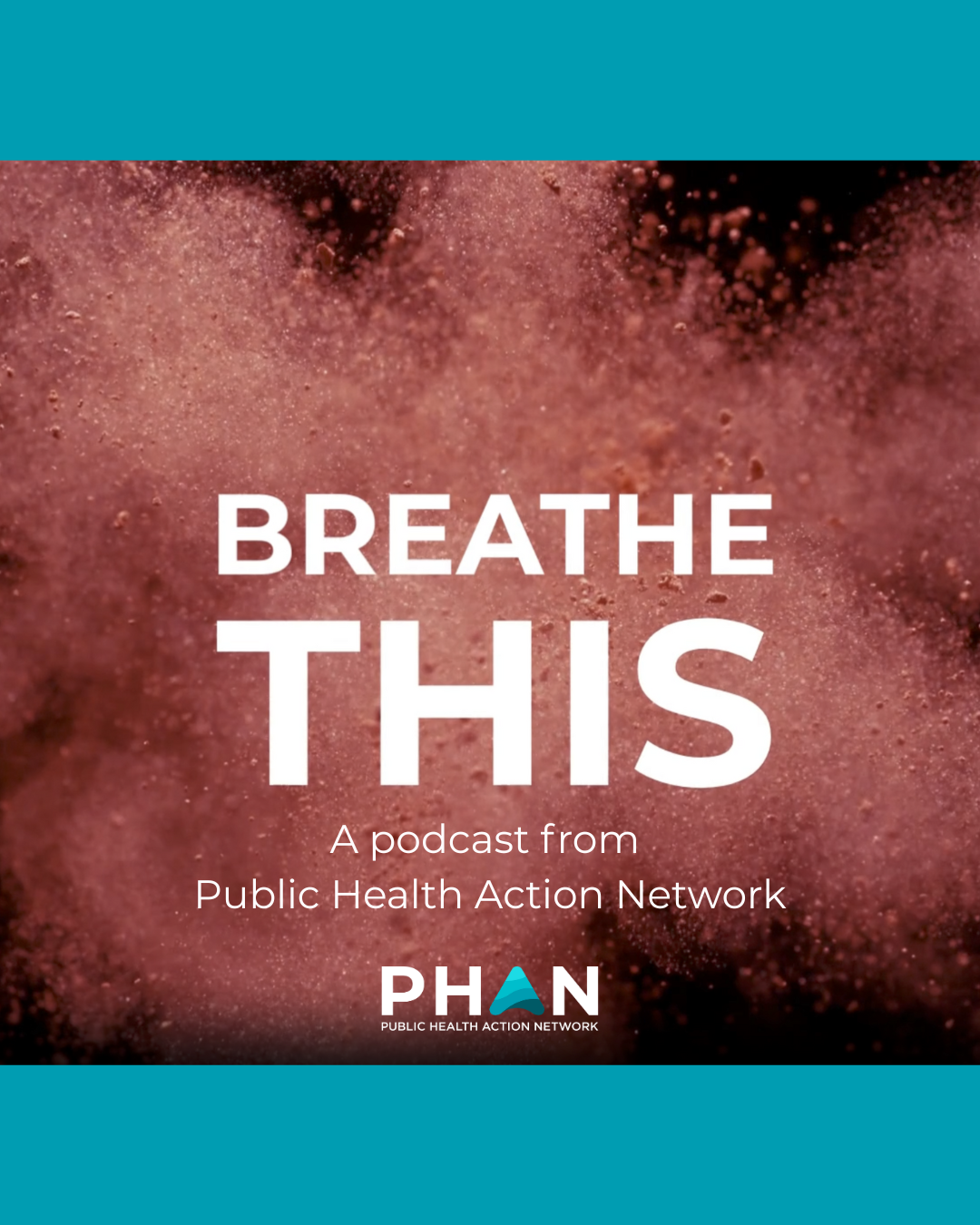
Hear from an educator and clean-air advocate
Liesl McConchie joins Breathe This to discuss what educators, families, and communities can do to advocate for healthier indoor air in schools.
Healthy Indoor Air in Schools
September 24, 2026 at United Nations Headquarters
Every Breath Shapes Learning is a conversation presented with Air Club during United Nations General Assembly week.
