











On June 17, 2026, researchers in Europe announced DNA analysis results from a Siberian archaeological site near Lake Baikal dating back 5,500 years revealed sobering findings: 39% of the graves in two cemeteries (18 out of 46) carried a strain of Yersenia pestis (plague). Tragically, a large number of these remains were those of children, the youngest approximately 5 years old. While excavations at the site began in the 1990s, the abnormally high number of youth mortality puzzled archaeologists for years. “Finding out that plague was the cause is extraordinary, but it makes so much sense,” says archaeologist Andrzej Weber of the University of Alberta, Principal Investigator of the Baikal Archaeology Project. (https://globe.ku.dk/newslist/2026/oldest-strains-of-plague-caused-deadly-outbreaks-5500-years-ago/). Evidence also points to a relatively short span of time for the deaths, many of them close family.
Reading this study was difficult for me: I’m a mom. I also have long COVIDPersistent and new symptoms following recovery from acute COVID-19. More. I first got sick on March 6, 2020, and anecdotal data from my own support group has indicated that roughly one third of people with long COVIDPersistent and new symptoms following recovery from acute COVID-19. More now were sick initially in March 2020 alone. The results of the Siberian study also indicated an unexpected finding: a superantigen causing severe immune reaction not seen in later strains of Y. pestis likely caused significantly higher mortality rates, especially in children. This culture had their own concepts of disease transmission, cause, and treatment, and until 2020, I thought we had a better grasp on the latest science of it all. Perhaps collectively, we don’t.
Y. pestis is a BSL-3 pathogenA microorganism that can cause disease.. For years, we have assumed that plague traveled primarily through fleas, but this strain predates that. The likely zoonotic source was marmot – with significant rates of human-to-human transmission possible, likely airborne. This led me to think about the close living arrangements and environment of eastern Siberia. This was a culture that did not practice widespread agriculture (came along much later, around 1350 years ago). It is a beautiful region that sees extreme cold in the winters with average temperatures of around -6 degrees Fahrenheit (-21 degrees Celsius) and fair summers with temperatures in the 50s F, which is milder than the surrounding area, which is north of Mongolia.
The lake is one of the most ecologically diverse areas in the world and was declared a UNESCO World Heritage Site in 1996. It is also the deepest and most voluminous lake in the world – and the oldest at 25 million years. The water reaches over a mile in depth, but the sedimentary layers beneath that go on for an astonishing 3 to 4 miles further, providing a rich source of environmental history.
It is a litmus for rapidly increasing anthropogenic climate change with the evidence to back it up. As mills and industry degrade the local environment directly through floral and faunal changes, and global temperature rise degrading ice levels, life at Lake Baikal is not evolving quickly enough to adapt.
Thinking on all of this as I dodge tornado warnings yet again in Kansas City (we’ve had over 90 tornado warnings in the KC metro alone this year), I can’t help but think: What are we doing to our kids? They learn by example, not our words. We are demonstrating to them en masse that the world around them does not matter. The people around them do not matter. We can use resources liberally, even if it means we run out too soon to the detriment of everyone and every living creature.
We are teaching them they do not matter.
All things come to an end. My dear friend paleontologist Nizar Ibrahim has said many times that all species go extinct, and humans will not be an exception. As a medical professional and former archaeologist, I agree but add a caveat learned working in hospice: pave that path with care. We cannot avoid the end, but we can lessen suffering.
We can make many changes to do so, and in the realm of public health, it begins with clean airAir free of pollutants, including viruses, bacteria, and harmful particles.. Wearing a properly fitting respirator protects everyone. We clean the water we drink and the food we eat. Why do we not address the air we breathe in the same fashion? And this isn’t just about COVID: this is about preventing future pandemics with existing and emerging diseases as well. As we encroach on wild spaces and alter the planet in ways that force us into contact with more zoonotic diseases, we will see more spillover.
This is where community care begins.
Change requires getting uncomfortable and taking on new concepts. Anthropologist Margaret Mead said, “Children must be taught how to think, not what to think.” The best legacy we can leave with them is not one of disease and destruction, but one of hope and courage in the face of darkness. We can teach them by showing them how to care for others.
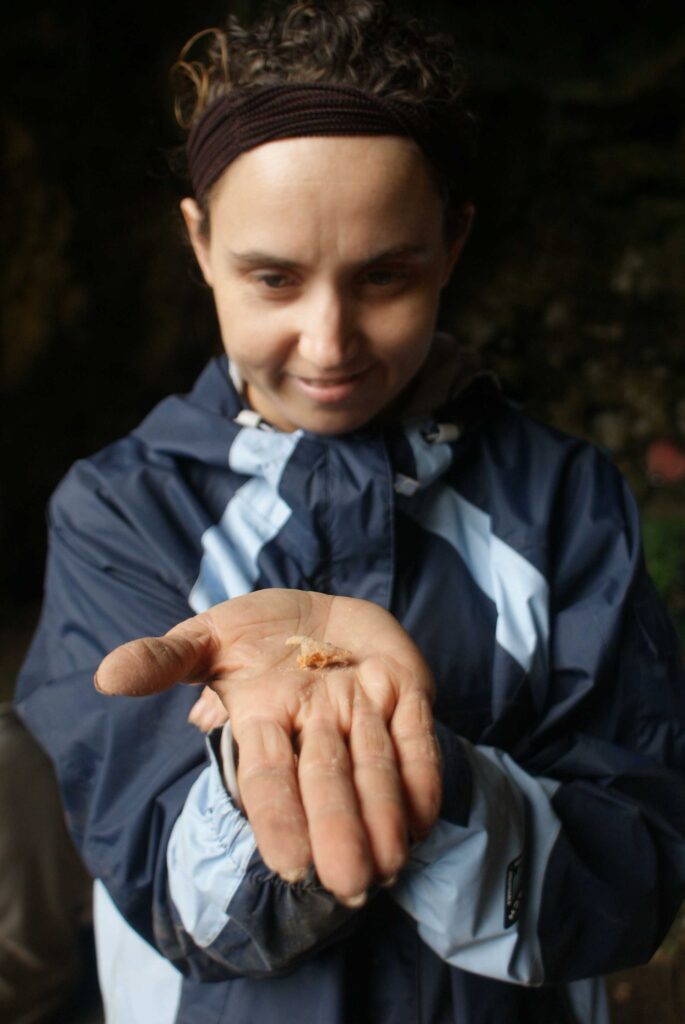
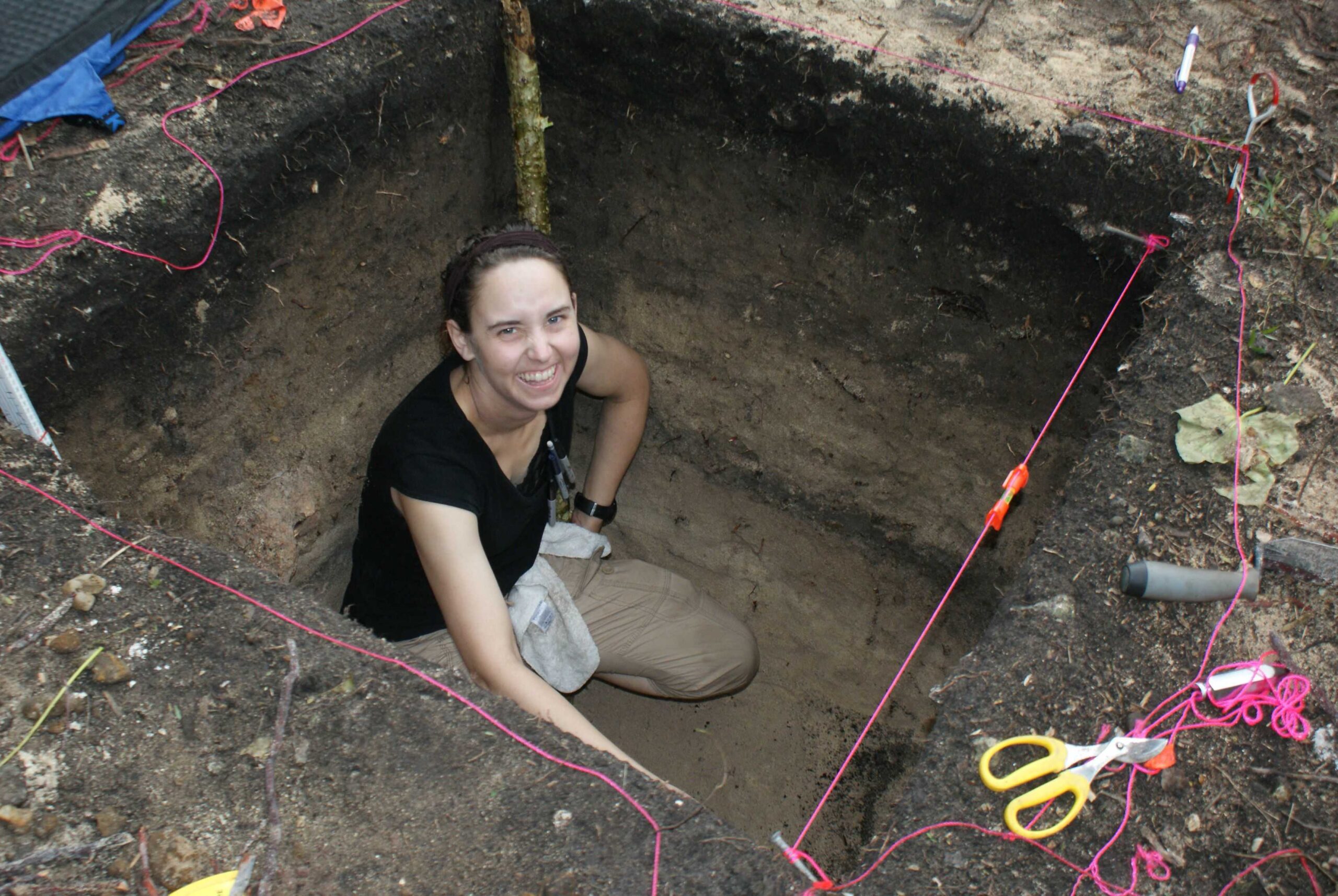
Images courtesy of Amanda Finley, taken in Fiji, 2009