










Why Clean Air is a Human Right: The Case for Global Standards and Protection
Clean airAir free of pollutants, including viruses, bacteria, and harmful particles. is essential for health, yet millions worldwide breathe air contaminated with harmful pollutants. The World Health Organization estimates that the combined effects of ambient and household air pollution cause about 7 million premature deaths each year, and that 99% of the global population breathes air that exceeds WHO guideline levels.1WHO, Air quality, energy and health Despite air quality’s role in sustaining life, safe air is still too often treated as optional rather than as part of the right to health and a healthy environment.2United Nations, The right to a healthy environment
This article explores why healthy air should be protected as a human right, comparing it to access to clean water and a safe environment, and explains why air quality needs urgent public attention.
Clean Air and the Right to Health
Air pollution is linked to respiratory infections, heart disease, stroke, lung cancer, chronic obstructive pulmonary disease, asthma, and other health harms. WHO notes that children, older adults, people with existing illness, and people in poverty can face higher risks from polluted air.3WHO, Health consequences of air pollution Healthy air, therefore, is not just a matter of comfort but of life and death.
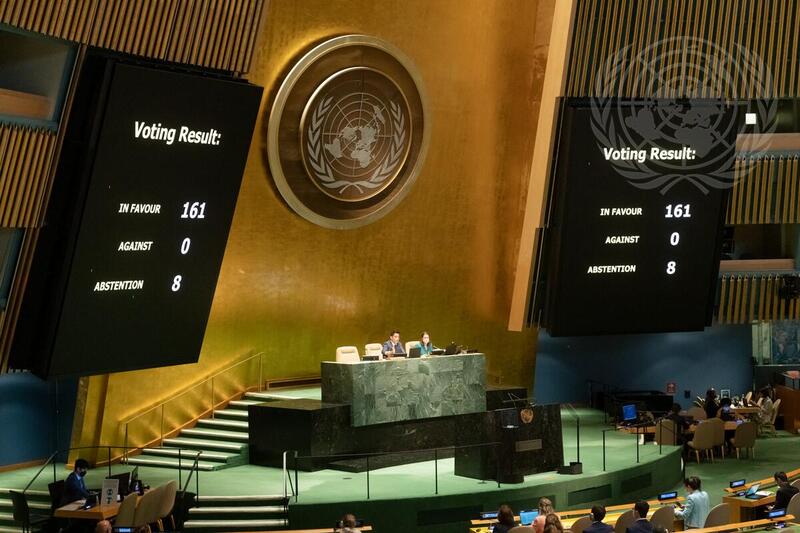
Internationally, the right to health is a well-established human right recognized in treaties and declarations, including the Universal Declaration of Human Rights. In 2022, the UN General Assembly recognized access to a clean, healthy, and sustainable environment as a human right, explicitly connecting environmental protection with health, dignity, and other basic rights.4United Nations, The right to a healthy environment UNEP described that resolution as a statement that nature, clean airAir free of pollutants, including viruses, bacteria, and harmful particles. and water, and a stable climate cannot simply be taken away without public challenge.5UNEP, Historic move: UN declares healthy environment a human right
Clean Air vs. Clean Water: A Parallel Human Right
Access to clean water is widely accepted as a fundamental human right. In 2010, the United Nations General Assembly adopted Resolution 64/292, recognizing the right to safe and clean drinking water and sanitation as essential for the full enjoyment of life and all human rights.6UN General Assembly Resolution 64/292, The human right to water and sanitation The same logic applies to breathable air: without it, health, dignity, work, school, and community life become harder to protect.
Air quality deserves the same urgency. While unsafe water is often visible and immediate, polluted air can be invisible until its effects appear in emergency rooms, chronic disease, missed school, lost work, or premature death.7WHO, Health consequences of air pollution That disparity underscores the need to make healthy air enforceable through standards, monitoring, and accountability.
Clean Air, Environmental Justice, and Human Rights
Air pollution disproportionately affects low-income communities and communities of color, making air quality not only an environmental issue but a social justice issue as well. Research on traffic-related pollution has found higher exposure and risk among minority and lower socioeconomic-status populations.8Rowangould, Traffic, air pollution, minority and socioeconomic status, PubMed National exposure studies have also documented environmental injustice in ambient air pollution patterns.9Clark et al., National patterns in environmental injustice and inequality, PMC
Environmental justice advocates argue that everyone, regardless of socioeconomic status or geographic location, has a right to a healthy environment. Recognizing breathable air as part of that right would support communities demanding air quality standards, monitoring, and protections that address unequal pollution burdens.
The Economic Impact of Ignoring Clean Air
Poor air quality also has profound economic implications, burdening healthcare systems and reducing productivity. A World Bank and IHME report estimated that premature deaths from air pollution cost the global economy more than US$5 trillion in welfare losses in 2013, plus about US$225 billion in lost labor income.10World Bank and IHME, The Cost of Air Pollution In highly polluted cities, respiratory illnesses, missed workdays, and increased hospital admissions place a financial strain on individuals, businesses, and governments alike.
By contrast, air pollution controls can yield substantial public-health and economic returns. EPA analyses of the US Clean AirAir free of pollutants, including viruses, bacteria, and harmful particles. Act found that the benefits of pollution reductions greatly exceeded implementation costs.11US EPA, Benefits and Costs of the Clean Air Act 1990 to 2020 Recognizing healthy air as a human right would encourage governments and corporations to prioritize prevention as both a moral and economic imperative.
Legal Frameworks for Clean Air as a Human Right
Some countries have already taken steps to incorporate clean airAir free of pollutants, including viruses, bacteria, and harmful particles. into their legal frameworks, setting a precedent for others to follow:
- France: France’s Conseil d Etat has ordered the French State to pay fines after failures to comply with air quality requirements, following earlier orders to meet European standards incorporated into French law.12Conseil d Etat, Air pollution: French State ordered to pay fines
- South Korea: South Korea and Seoul have implemented fine-dust laws and emergency reduction measures, including restrictions on high-emission vehicles and controls on pollutant-producing facilities during high-concentration events.13Seoul Metropolitan Government, Special Act on Fine Dust Reduction and Management
- The European Union: The Court of Justice of the European Union has recognized that air-quality directives can give individuals a right to require authorities to draw up action plans when limit values are at risk of being exceeded.14Court of Justice of the European Union, Janecek v Freistaat Bayern
Expanding these efforts on a global scale could help set enforceable standards for clean airAir free of pollutants, including viruses, bacteria, and harmful particles., allowing citizens worldwide to hold their governments accountable.
Clean Air as a Climate and Sustainability Imperative
Recognizing healthy air as a human right is also important for climate and sustainability policy. Many sources of air pollution, including fossil fuel emissions from cars, factories, power plants, and household energy use, also contribute to climate or ecosystem harm.15WHO, Household air pollution Policies that reduce pollution, including clean energy and lower-emission transportation, can benefit both air quality and climate goals.
The UN Sustainable Development Goals emphasize good health, clean water, clean energy, sustainable cities, and climate action, all of which intersect with air quality.16United Nations, Sustainable Development Goals Acknowledging breathable air as part of a healthy environment aligns with these goals and reinforces global efforts to create a healthier, more sustainable planet.
Taking Action: What Can Be Done?
Recognizing breathable air as part of the right to a healthy environment would be a major step forward in protecting public health, supporting environmental justice, and addressing climate change. But how can this be accomplished?
- International Advocacy: Governments, NGOs, and civil society groups can work together to advocate for a UN resolution recognizing the right to healthy air. Such a declaration would set global standards and increase pressure on countries to address air pollution.
- Policy Reform and Enforcement: Countries can adopt stricter air quality standards, backed by enforceable regulations and penalties for non-compliance. Funding for air quality monitoring systems is also essential to ensure accurate reporting and enforcement.
- Investment in Clean Energy and Technology: Transitioning from fossil fuels to renewable energy sources reduces pollutants and supports healthier air initiatives. Investments in public transportation, electric vehicles, and green urban planning can also reduce air pollution in densely populated areas.
- Community Empowerment: Recognizing healthy air as a human right would empower communities, especially those disproportionately affected by pollution, to advocate for safer environmental conditions. Community-driven monitoring programs and environmental justice initiatives can help address local air quality issues and hold polluters accountable.
Conclusion: Clean Air is Fundamental to Human Dignity and Well-Being
Clean airAir free of pollutants, including viruses, bacteria, and harmful particles., like clean water and adequate shelter, is a fundamental human right. It underpins our health, economic productivity, and quality of life. Protecting healthy air for all people, regardless of where they live or their socioeconomic status, is an ethical imperative that requires immediate attention and action.
As the global community continues to confront the challenges of air pollution, climate change, and environmental justice, recognizing healthy air as a human right will provide a strong foundation for more equitable and sustainable policies. With cleaner, safer air, we can build healthier societies and a healthier planet, reaffirming our commitment to a future where every person has the opportunity to breathe freely and live with dignity.
